
A freezer meal and a field might not sound like they belong in the same conversation.
One is about making dinner happen on a Tuesday night, when life is busy and cooking from scratch is not on the cards. The other is about soil, roots, rain, compost, biodiversity, water, insects, seasons and the very long view of what food can be.
But for us, they are increasingly part of the same story… At The Pantry by Kismet Cabana, we have always believed that good food should fit real life. People are working, parenting, caring, recovering from long days, juggling shifts and trying to feed themselves and their families well without turning every evening into a military operation.
Convenience matters. But somewhere along the way, convenience became confused with compromise: anonymous ingredients, stretched supply chains and food designed to be fast before it is designed to nourish, connect or last.
We do not believe it has to be that way.
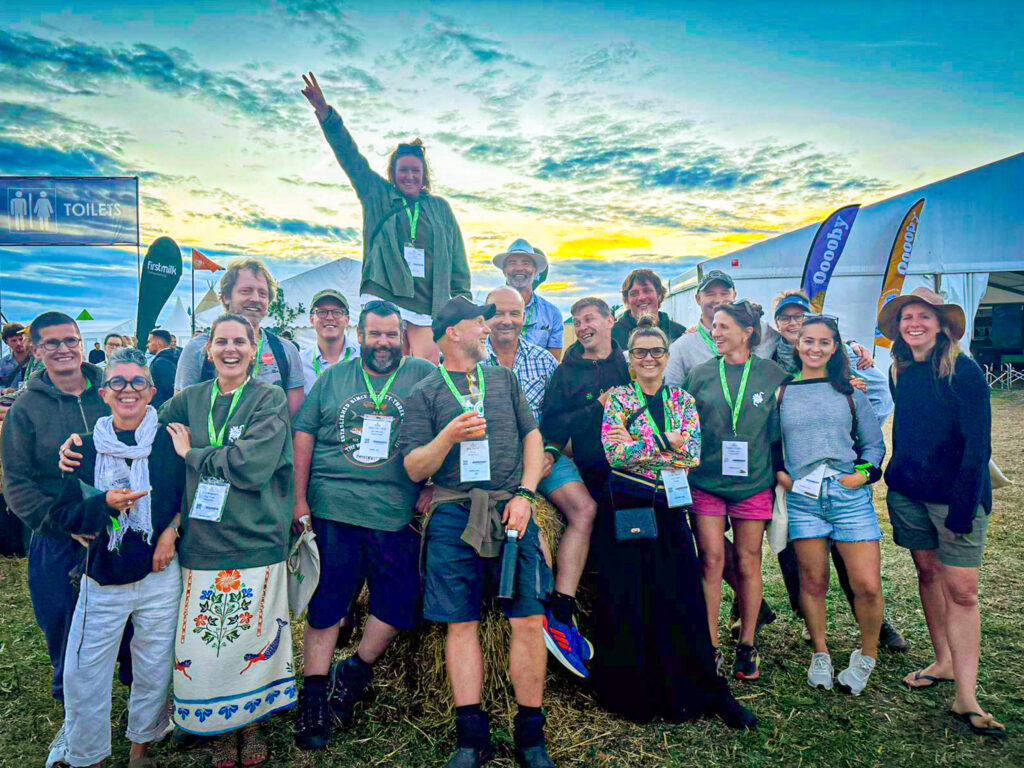
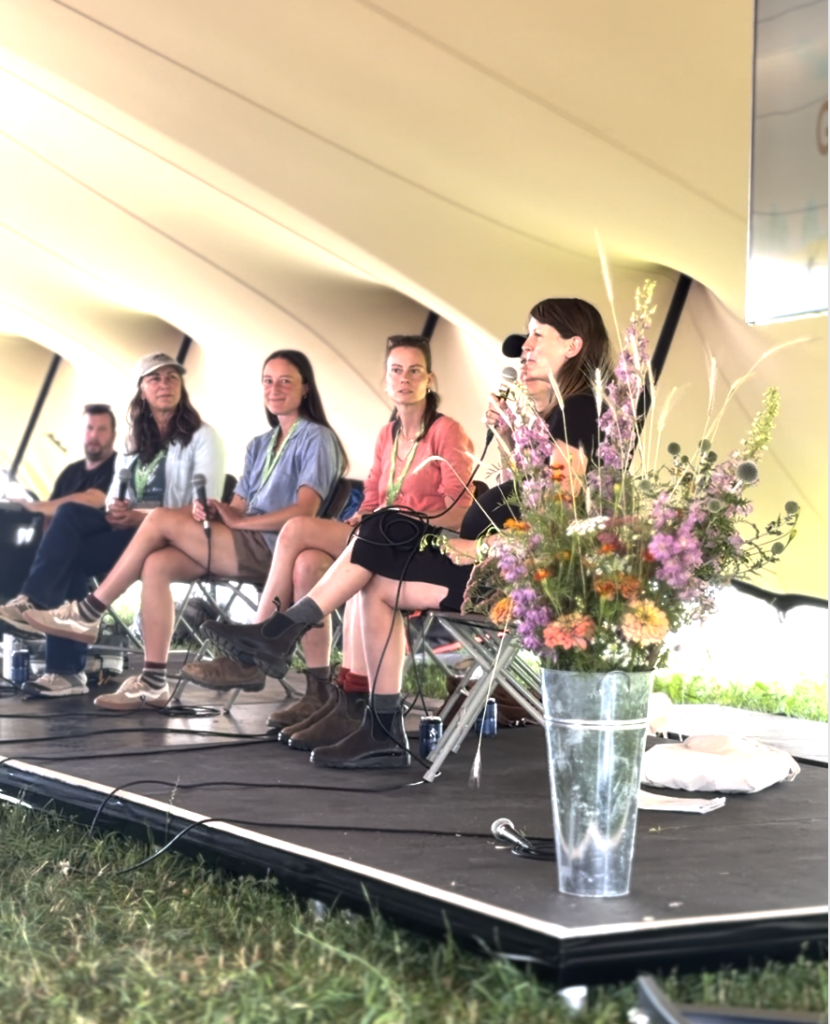
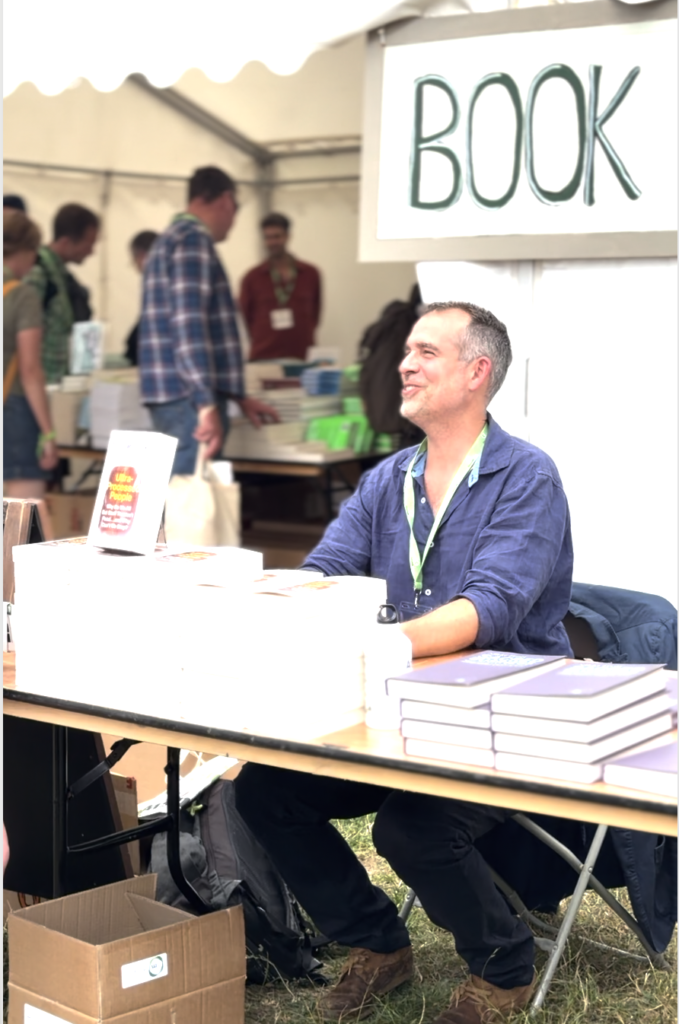
Recently, as budding growers in the making, Summer, Chris and Jonathan from the Kismet & Pantry team attended Groundswell Agricultural Festival thanks to the kind personal learning support from the Howard Davis Farm Trust, giving us an amazing opportunity to learn, listen and immerse ourselves in a world that is still new to us.
And it could not have come at a more important moment, new things are growing in our garden…(keep reading 👀)
We have worked directly with food for our entire careers. We know kitchens, menus, service, flavour, customers and the reality of feeding people. What we are now beginning to understand more deeply is everything that comes before the kitchen: the soil, the grower, the weather, the water, the risk, the logistics, the waste, the market and the community of people needed to make a meal possible.
Groundswell did not give us a neat set of answers. It gave us something better: more useful questions.

When we think about food, it is easy to picture a straight line: farm to plate. But food does not move in a straight line. It moves through a spiderweb.
There are growers, farmers, seed suppliers, soil specialists, packers, producers, wholesalers, delivery drivers, butchers, bakers, chefs, retailers, farm shops, market organisers, customers and the people creating routes between all of them.
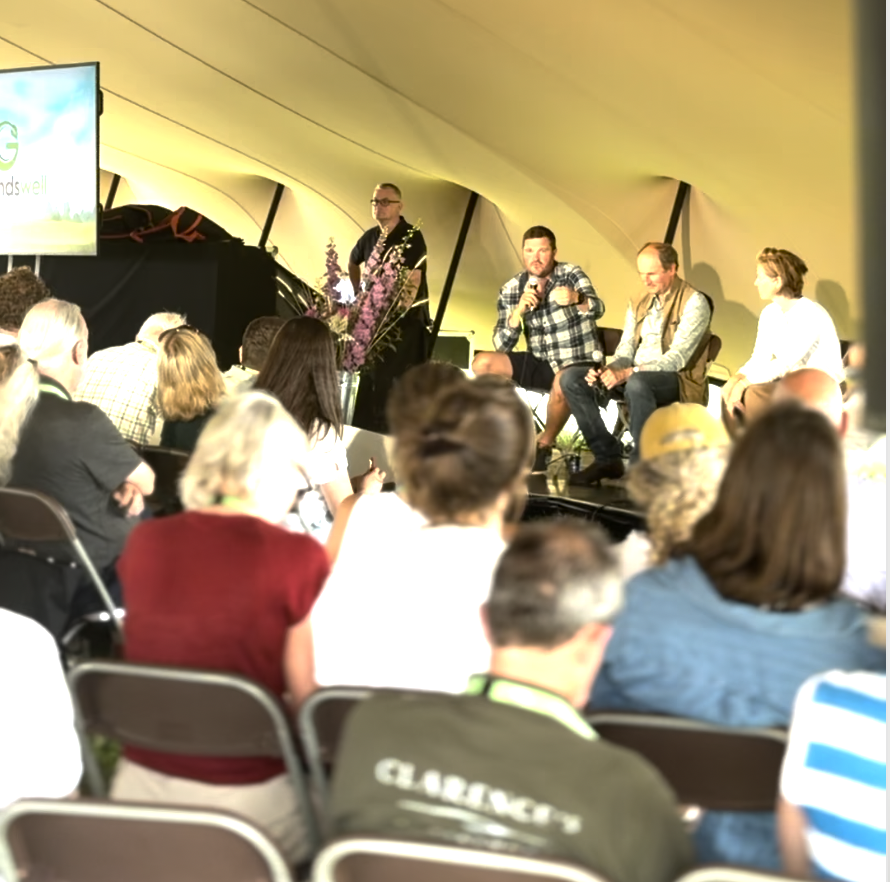
During a session on local markets and shorter supply chains, Will Greig of Piper’s & Co described the real challenge not as finding brilliant producers or customers who care, but as connecting both ends of the chain in a way that works commercially for everyone involved.
As he put it: “Strong supply chains aren’t built on transactions, they’re built on relationships that give people the confidence to participate and invest.”
That really stayed with us. Because supporting local is not simply buying something grown nearby. It is helping create enough confidence, demand and value for people to keep doing what they are good at.
A grower should not have to become a content creator, delivery company, retailer and accountant just to make a living from excellent produce. A chef should be able to work with great ingredients. A customer should have more than one way to access good food. A farm shop, a market, a restaurant, an online order and a freezer meal can all play a role in making that happen.
There is no one perfect route to market. But the more routes there are, the stronger the web becomes. That is where we feel The Pantry can help.
We want to make it easier for people to choose food with a stronger local story behind it – even when they do not have the time, energy or headspace to cook from scratch that night.
Convenience does not need to disconnect us from the local economy. It can be one of the ways we stay connected to it.
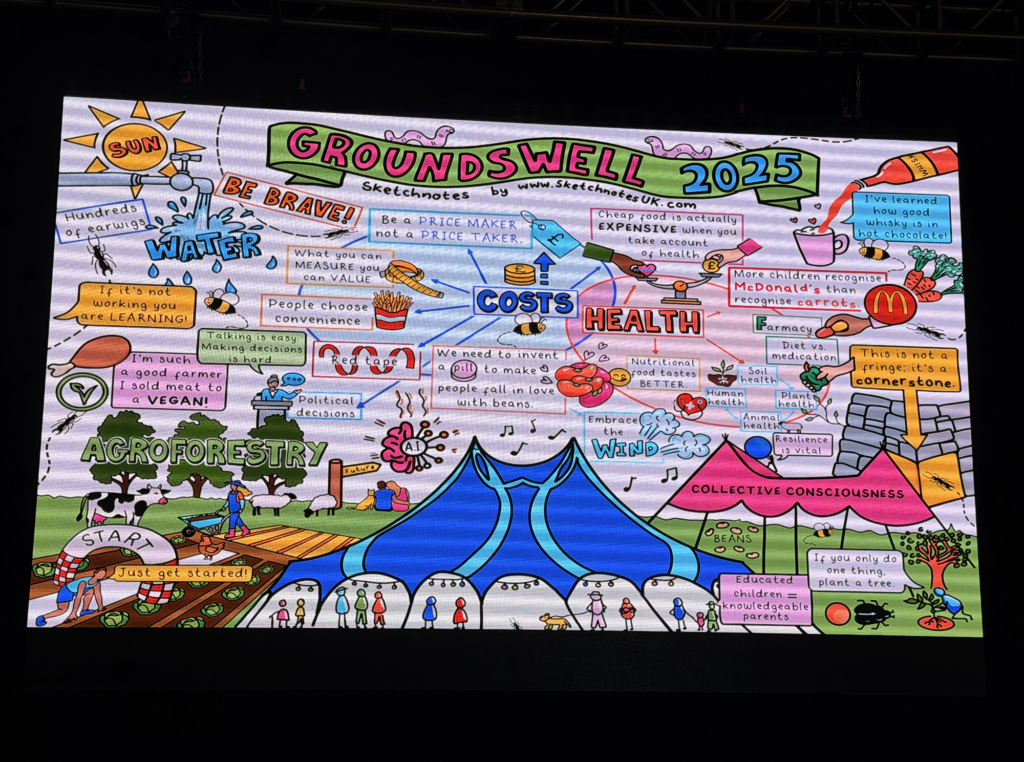
At Groundswell, the conversation kept returning to the same place: the soil.
Not soil as a brown substance that gets muddy on your shoes. Soil as a living system. A world of roots, microbes, fungi, insects, water, organic matter and relationships that are mostly invisible to us – but are working away beneath every ingredient we eat.
The Living Roots: The Promise of Perennial Foods session explored the power of plants that stay in the ground for more than one season. Their roots are able to keep working below ground, building relationships with microbes, cycling nutrients, holding soil together and helping create greater resilience over time.
One of the strongest ideas from that session was that perennial plants face hardship by “investing in relationships below ground” – and that perhaps we can take inspiration from that in the way we build communities too.
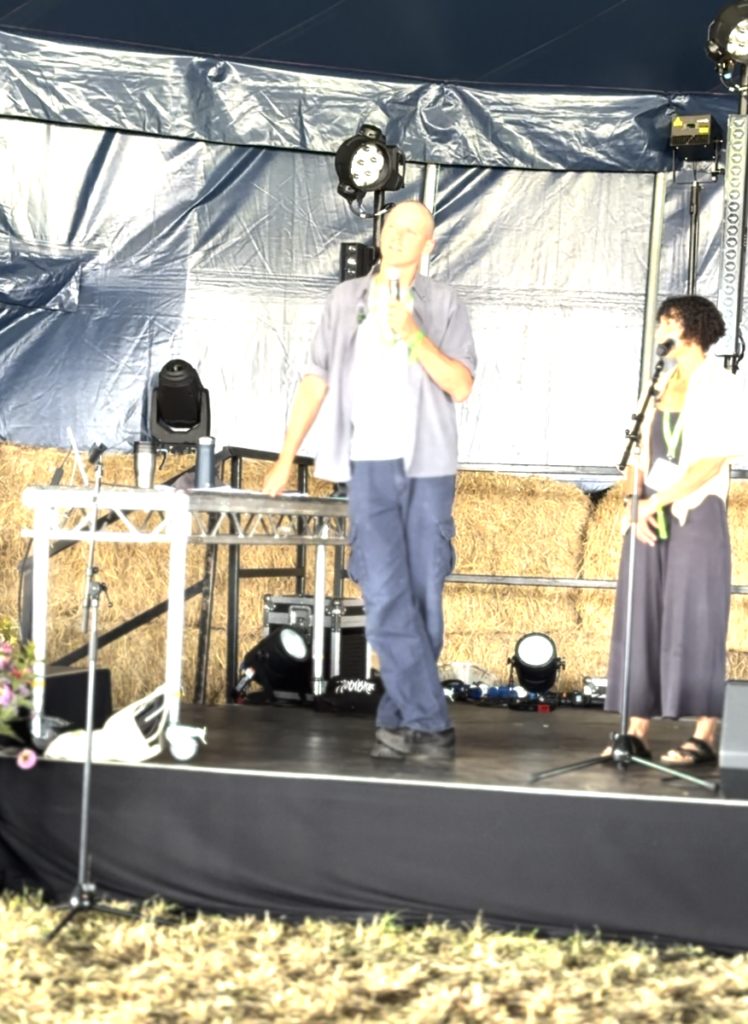
That feels relevant far beyond farming. Regenerative thinking is not only about what we grow. It is about how we behave.
One phrase we heard at Groundswell travelled home with us: “Regenerative farming is when hope has evidence.”
For us, that means moving beyond simply hoping for a stronger local food system – and starting to make choices that help build one.
At its most useful, regenerative farming is not about a perfect checklist or a particular badge. It is a way of thinking that asks: how can this system become more alive, more resilient and more generous over time?
That might involve healthier soil. More diverse crops. Better water stewardship. Fewer unnecessary inputs. More habitat. Better record-keeping. More space for wildlife. More support for local growers. Less waste. More flexibility. More collaboration.
During a composting session, Michael Kennard of Compost Club described waste as a human idea: “It’s only a waste if we waste it.”
That landed with us because it applies so directly to hospitality.
A carrot top. A glut of herbs. Bones. Fruit that is too soft for display. Stale bread. A half-used sauce. A delivery box. A bucket. A branch. A bit of surplus.
In a linear system, those things are problems to get rid of.
In a regenerative system, the question becomes: what else could this become?
That does not mean every scrap has to turn into something magical. Sometimes waste is still waste. But it does mean looking more carefully at the materials, ingredients and energy already moving through a business before automatically buying more, throwing more away or starting again.
It means learning to see value where we might once have seen an inconvenience.
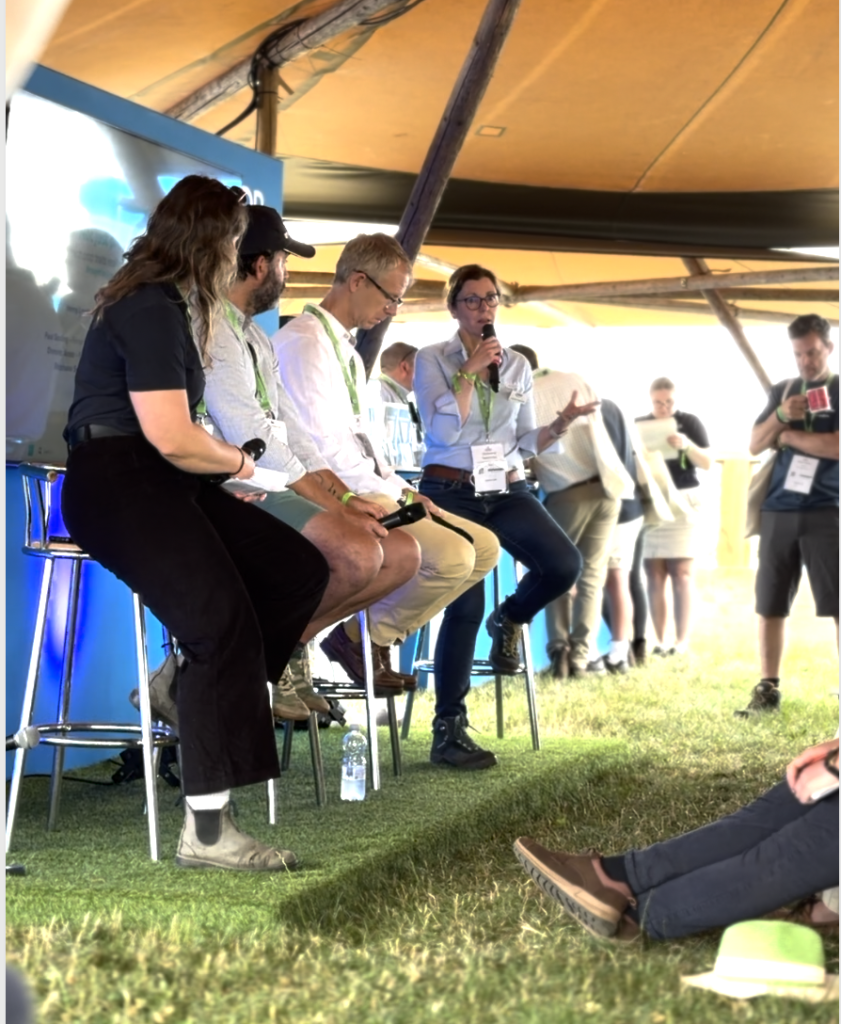
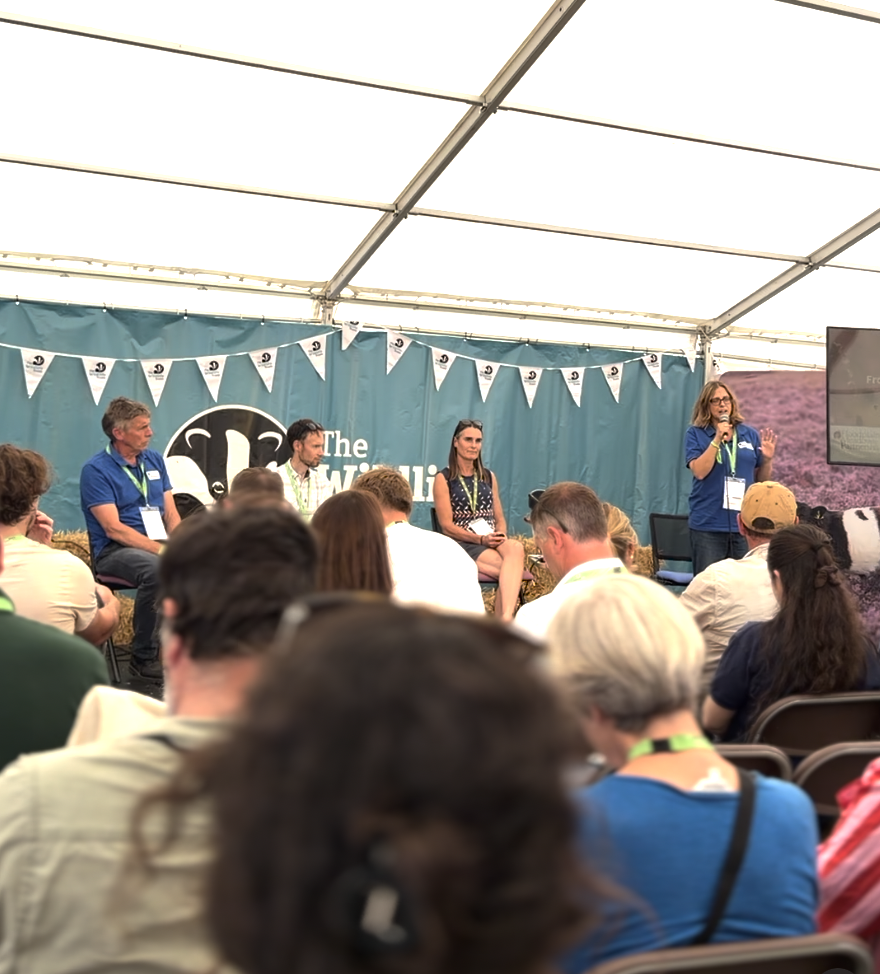
One of the sessions that really connected the dots for us was Today’s Menu: Agroecological Foods to Celebrate Now, led by the Tomorrow’s Kitchen team.
Their message was not that chefs should simply follow whatever is fashionable. It was that food businesses have genuine power to help make better ingredients more desirable, more accessible and more normal.
The phrase they shared was simple: “Follow the seasons, relocalise and be flexible.” That last word is probably the most important: flexible.
For decades, chefs, retailers and consumers have been able to demand almost anything at almost any time. The same ingredients, all year round, in the same size, shape and quantity. But that puts pressure on growers, often encouraging systems designed for uniformity rather than resilience.
The alternative is not deprivation. It is creativity.
The Tomorrow’s Kitchen team challenged chefs to ask growers what would help their farms become more resilient – and then use their skills to turn those ingredients into something delicious. As they put it, “when we have these limitations, we actually come up with the most innovative food.”
That feels instinctively right to us.
Some of the best dishes begin with what is available, what is abundant, what needs using, what is in season and what has a story. It is why a pantry should not be a place of limitation. It should be a place of possibility.
We are not here to tell anyone that food needs to become complicated, worthy or impossible to afford.
We understand budgets. We understand that people are tired. We understand that not everyone has a farm shop around the corner, time to prep vegetables or the confidence to cook unfamiliar ingredients after a twelve-hour day.
Convenience matters because life matters.
But the Groundswell conversations reinforced our belief that convenience should not automatically mean a complete disconnection from the food system around us.
A frozen meal can still contain thoughtfully sourced ingredients. A ready-to-heat dish can still be cooked properly. A sauce can still be made from recognisable ingredients. A meal that saves someone thirty minutes can still support a local producer, reduce food waste and offer a better alternative to something more anonymous.
The question is not simply whether food has been “processed”. Cooking, chopping, freezing, fermenting, preserving and pickling are all ways humans have cared for food for generations. The more useful question is: what has happened to this food, and why?
At The Pantry, we want to make proper food available when people need it most. Food that gives you a break without asking you to compromise on flavour, care or connection.
All of this learning has made us want to go further back in the story.
Not just to the ingredient. To the soil.
We are incredibly excited that our smallholder application has now been approved, giving us the chance to begin our next chapter: Wildling Market Garden.
This is not a finished project. We are not in the field yet, and we are not pretending to have all the answers.
Quite the opposite.
It is a new space for us to learn properly, get muddy, ask better questions, make mistakes, listen to people with more experience, understand what our land needs and become more connected to the realities of growing food.
Whilst we will always continue to champion local farmers and growers, we recognise the cognitive dissonance between community supporting agriculture and wish to help rekindle this connection to soil by learning first hand. We want to become better partners to the rural community we are increasingly proud to be part of, create a circular economy and contribute to our own little spiderweb of the local food network.
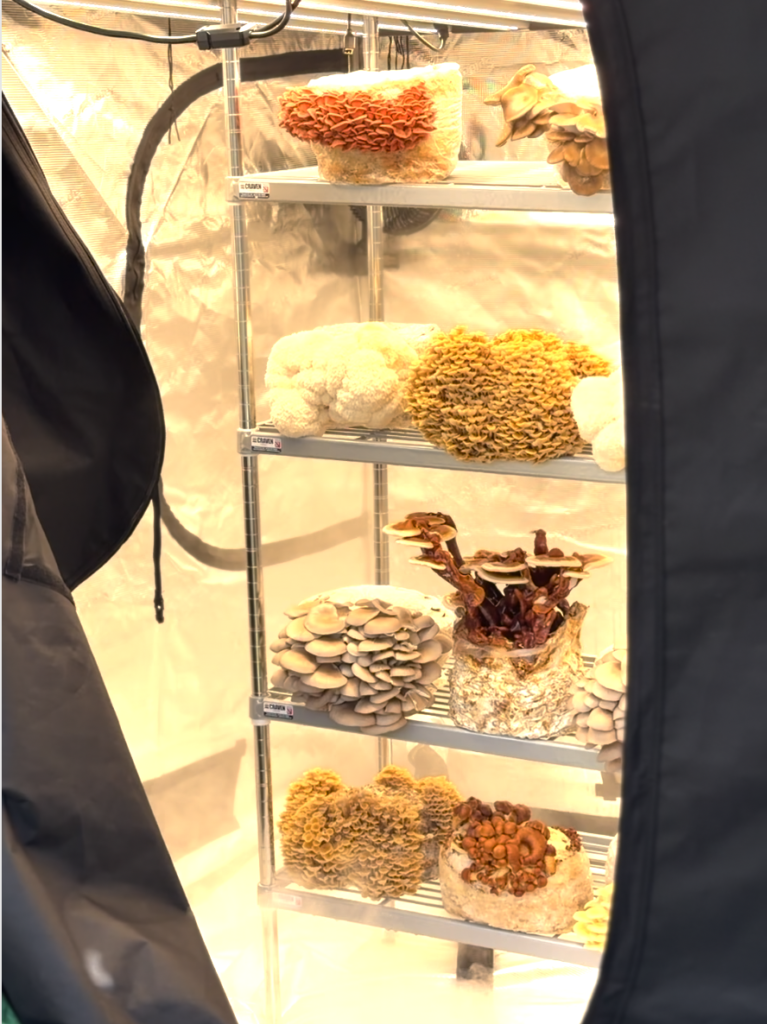
Over time, Wildling Farm may help us grow selected ingredients, explore more seasonal and unusual produce, understand the relationship between land and kitchen more deeply, and share the journey from soil to soul.
But for now, it is about curiosity.
Every day is a school day. More to follow re how our lessons from Groundswell will directly support our Market Garden Project! Follow @WildlingFarm.je to come along for the ride.
Explore our amazing fresh meals for adults and kids, discover what’s in our weekly boxes and collect points while you shop to earn gifts & discounts.



